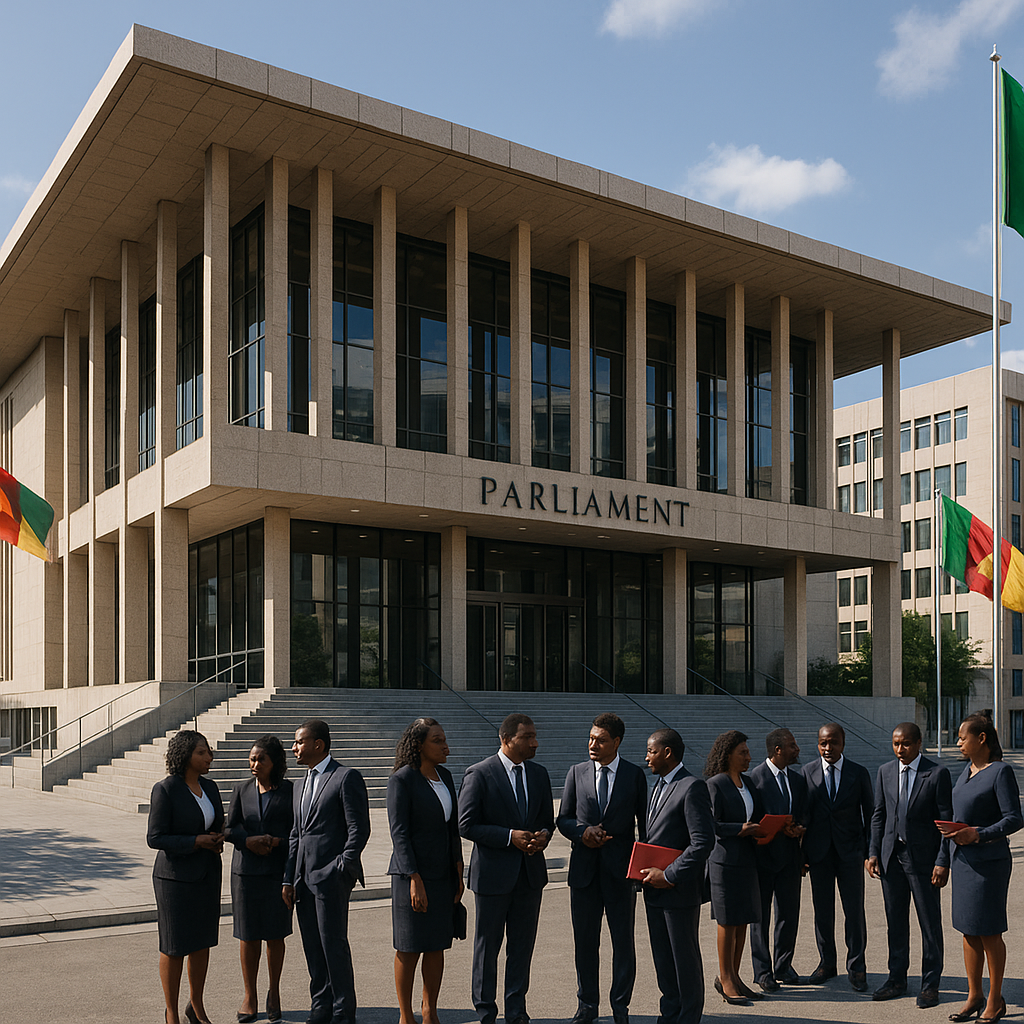
In a landmark parliamentary session, lawmakers in Cameroon have overwhelmingly approved a pivotal constitutional amendment. This reform establishes the office of the Vice-President, signaling a profound shift in the nation’s governance and political framework. The decision, passed with a significant majority, is poised to reshape the executive branch and has ignited widespread discussion across political and public spheres.
A Transformative Shift in Executive Governance
The creation of the vice-presidential position represents one of the most substantial modifications to Cameroon’s constitutional structure in recent years. This move fundamentally alters the traditional presidential system, introducing a clear line of succession and a potential sharing of executive responsibilities. Proponents of the amendment argue that it strengthens political stability by ensuring continuity in governance. The reform outlines the process for appointing and defining the powers of this new high office, though specific operational details are anticipated to be clarified in subsequent legislation.
Analysts suggest this constitutional change could modernize the country’s administrative processes and enhance governmental efficiency. By formally establishing a second-in-command, the state apparatus may gain resilience, particularly in managing complex national and international affairs. The debate surrounding this reform touches on core principles of democratic governance, power distribution, and long-term national planning.
Strategic Implications and National Dialogue
The parliamentary approval is not merely a procedural step; it is a strategic development with deep implications for Cameroon’s political future. The introduction of a vice-president is seen by many observers as a measure to consolidate institutional frameworks and prepare for future political transitions. This reform places Cameroon at the center of a continental conversation regarding governance models and constitutional evolution in Africa.
Discussions now extend beyond the halls of parliament into the public domain, where citizens, civil society groups, and political commentators are weighing the potential benefits and challenges. Key questions being debated include the selection criteria for the role, the extent of its authority, and how it will interact with existing ministerial positions. The reform is widely perceived as a strategic maneuver that could influence everything from domestic policy to Cameroon’s standing on the international stage.
Looking Forward: Implementation and Expectations
With the constitutional hurdle cleared, the focus shifts to the practical implementation of this historic change. The next phases will involve crafting the legal statutes that will define the vice-president’s duties, qualifications, and relationship with the president and the national assembly. The success of this institutional innovation will likely depend on transparent processes and a clear definition of the role’s constitutional mandate.
This decisive move by the Cameroonian parliament marks a new chapter in the nation’s political history. As the country navigates this significant reform, the establishment of the vice-presidency will undoubtedly continue to be a central topic of analysis and debate, shaping the political landscape for years to come. The world watches as Cameroon embarks on this journey of institutional redesign, which could serve as a reference point for other nations considering similar governmental evolutions.